Napping and Shift Work: Using a CPAP When You Sleep in the Daytime
Shift workers and nappers sleep while the sun is up. These practical tips help you fit a CPAP machine into daytime sleep, with your doctor deciding how to use it.
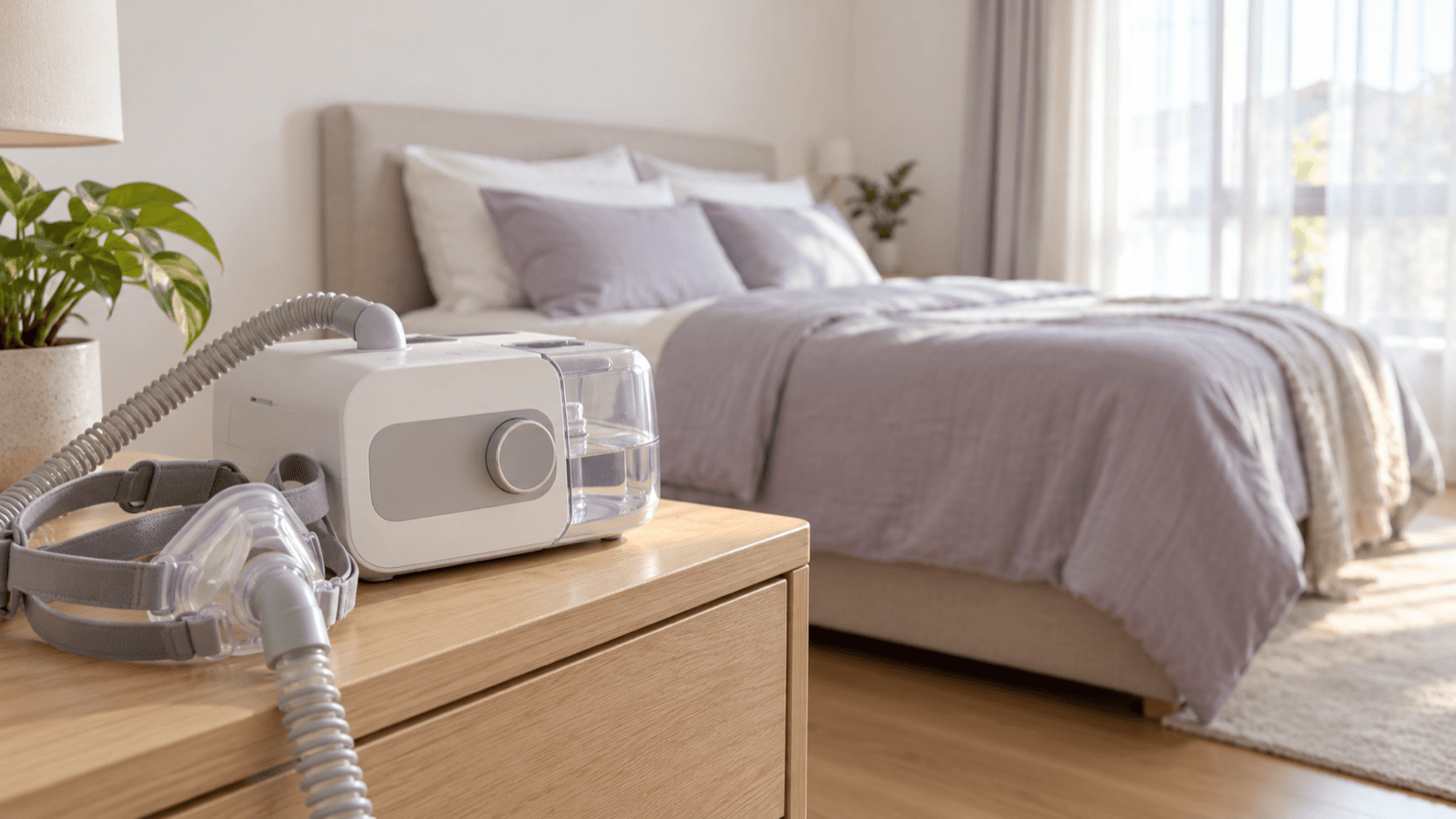
Practical tips for using a CPAP machine when you sleep in the daytime
Not everyone sleeps at night. Nurses, factory workers, security guards, drivers and many others work shifts and sleep while the sun is up. Some people simply like a nap after lunch. If you are new to CPAP and your sleep does not follow a night-time pattern, a few practical habits can make it easier to fit the machine into your days.

Tell your doctor about naps and daytime sleep
Your doctor decides how you should use CPAP, including whether to use it for naps and daytime sleep. At your appointment, describe your real routine: which shifts you work, when you usually sleep and whether you nap. That way the guidance fits your life, not a typical office day.
If your shifts rotate between mornings, evenings and nights, mention that too. A clear picture of your week helps your doctor guide you, and it helps you choose a machine and mask that suit it.
Keep the machine ready by the bed
The easiest way to use CPAP for a short sleep is to have nothing to set up. Leave the machine on the bedside table, plugged in, with the mask and tube within reach. When you come home tired after a night shift, you want to lie down, put the mask on and press Start.
A simple machine helps here. The ResMed AirStart 10 is auto-adjusting (APAP) with a built-in HumidAir humidifier, and you plug it in and press Start. Buy from RM4,500, or rent at RM280 / month.
Daytime bedrooms: light, noise and aircon
Sleeping in the day often means a darker, cooler room. Many shift workers close thick curtains and run the aircon to keep out the afternoon heat. That cool, dry air is one reason a humidifier can matter. The ResMed AirSense 10 AutoSet has an integrated humidifier with Climate Control, plus AutoRamp and EPR, for people who want more comfort settings with their doctor's guidance. Buy from RM6,500, or rent at RM450 / month.
Think about the household too. Children come home from school, someone is cooking, visitors drop by. Let the family know when you are sleeping, and keep the bedroom door closed so nobody knocks the tube or the machine by accident.
Sleeping at work or away from home
Some jobs mean resting in a staff room, a hostel, workers' quarters or a relative's house between shifts. If you often sleep somewhere other than your own bed, plan for it. The ResMed AirMini is a compact travel APAP with waterless humidification (HumidX). It is available to buy only, from RM4,900, and is not offered for rent.
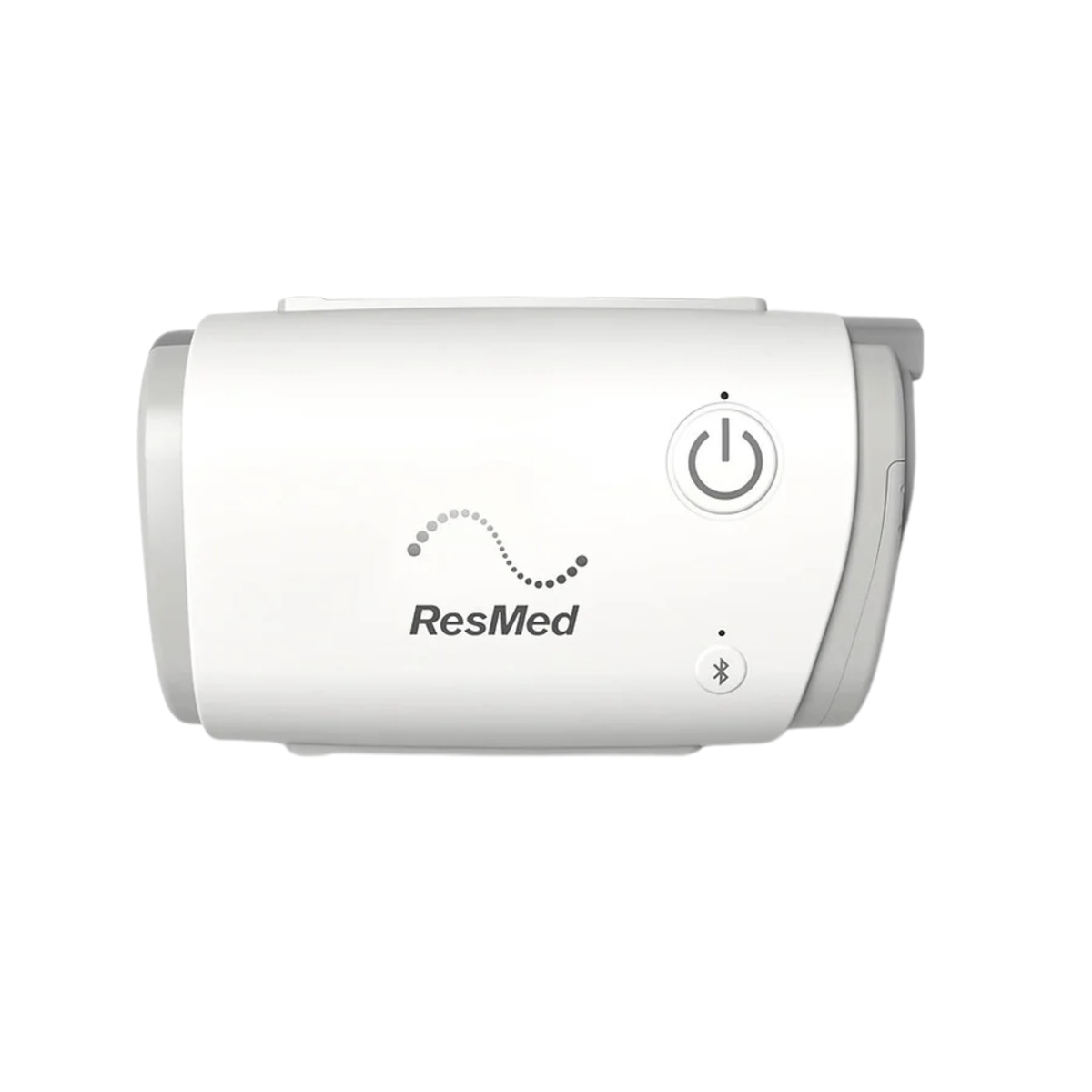
Whichever machine you use away from home, keep the mask, tube and power cable together in one small bag so nothing gets left behind at the end of a shift.
Building a routine that fits your shifts
- Use it the way your doctor advises, for the main sleep and for naps if the doctor says so.
- Keep the same few steps every time: check the water, put on the mask, press Start. Repeating them makes it automatic, even when you are tired.
- Choose a mask you can put on half-asleep. Masks are bought separately, from RM600 for the mask only. Ask your doctor whether nasal, nasal pillows or full face suits you.
- Set a reminder on your phone for the sleep you plan, day or night, if your shifts change often.
Choosing a machine for a non-standard schedule
Shift workers live in every part of Malaysia, from Shah Alam and George Town to Kuala Terengganu. The questions are the same everywhere: where will you sleep, how cold is the room, and how simple does the routine need to be? Our help-me-choose questions turn your answers into a suggestion, and you can read about each model in our CPAP machines.
To order, send a WhatsApp message, confirm buy or rent, the model and the rental length, then pay by online banking. Delivery covers every location in Malaysia, and the arrangement is confirmed on WhatsApp. Tell us about your shifts and we can talk through which machine fits them.
This article is general guidance, not medical advice. Your doctor decides whether CPAP therapy suits you, how to use it, and sets its pressure and other settings.